 ★ ★ ★
4th of July — Happy Independence Day! Dubya Garage Doors will be closed Friday, July 3rd to celebrate with our families. We’ll be back Monday, July 6th to serve you!
★ ★ ★
×
★ ★ ★
4th of July — Happy Independence Day! Dubya Garage Doors will be closed Friday, July 3rd to celebrate with our families. We’ll be back Monday, July 6th to serve you!
★ ★ ★
×
★ ★ ★
4th of July — Happy Independence Day! Dubya Garage Doors will be closed Friday, July 3rd to celebrate with our families. We’ll be back Monday, July 6th to serve you!
★ ★ ★
×
★ ★ ★
4th of July — Happy Independence Day! Dubya Garage Doors will be closed Friday, July 3rd to celebrate with our families. We’ll be back Monday, July 6th to serve you!
★ ★ ★
×
By Dubya Garage Doors | July 05, 2026 | 8 min read
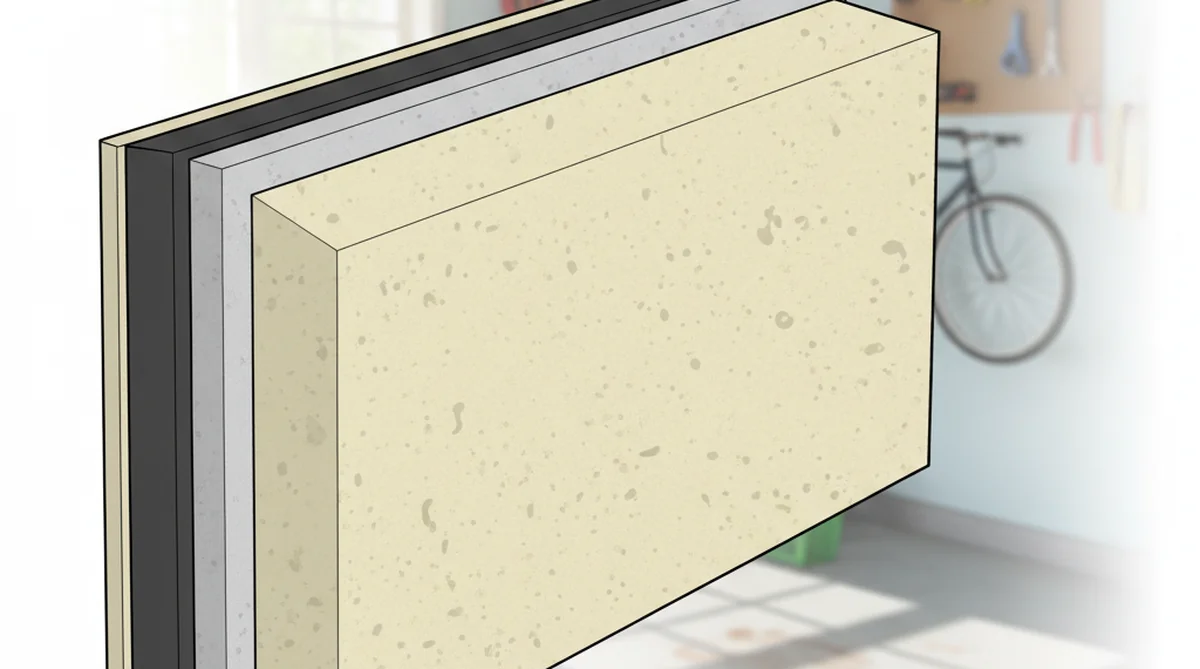
For Holly Hill, SC homeowners, a garage door insulation R-value between R-8 and R-16 provides optimal energy efficiency and climate control, with R-12 to R-16 being ideal for our hot, humid summers and occasional cold winter nights in Orangeburg County.
R-value measures thermal resistance—essentially how well your garage door prevents heat transfer between inside and outside. The higher the R-value, the better your door insulates against Holly Hill's summer heat and winter cold. An uninsulated garage door (R-value of 0) allows heat to flow freely, making your garage uncomfortably hot in July and freezing in January. For homeowners in Orangeburg County, choosing the right R-value directly impacts your energy bills, garage comfort, and even the temperature of adjacent rooms in your home.
Understanding R-value is particularly important in Holly Hill because our climate demands protection from both extremes. During summer months when temperatures regularly climb into the 90s with high humidity, a properly insulated garage door prevents heat from radiating into your garage and attached living spaces. In winter, when temperatures occasionally dip into the 20s and 30s, insulation keeps your garage warmer and protects vehicles, tools, and stored items from temperature fluctuations.
For most Holly Hill homes, an R-value between R-12 and R-16 offers the best balance of energy efficiency and cost-effectiveness given our Southeastern climate conditions.
Here's how different R-value ranges perform in Orangeburg County:
If your garage shares a wall with your home or has living space above it—common in many Holly Hill neighborhoods—investing in R-12 or higher can significantly reduce the workload on your HVAC system and lower monthly energy costs.
Garage doors achieve their R-values through two primary construction methods: polystyrene insulation and polyurethane foam insulation, each with distinct advantages.
Polystyrene insulation uses pre-cut foam panels inserted between the steel layers of your garage door. This method typically achieves R-values between R-8 and R-12. The panels are lightweight and cost-effective, making them a popular choice for budget-conscious Holly Hill homeowners seeking moderate insulation benefits.
Polyurethane foam insulation involves injecting expandable foam between door panels, where it adheres to both steel layers and expands to fill every gap. This construction method delivers superior R-values (R-16 to R-20+) because it creates an airtight seal with no gaps or thermal bridges. Polyurethane doors are also stronger and quieter than polystyrene models, though they come at a higher initial cost.
At Dubya Garage Doors, we help Orangeburg County homeowners select the right insulation type based on your specific needs and budget. Need your new insulated door installed quickly? We offer same-day repair and installation services, plus we can upgrade your opener to a smart model with battery backup to ensure you're never locked out during our summer thunderstorms. Call us at (803) 855-1981 to discuss your options.
Upgrading to an insulated garage door with an appropriate R-value can reduce your home's energy costs by 10-20% if you have an attached garage, according to Department of Energy estimates.
In Holly Hill's climate, the savings come from multiple sources. During summer, when air conditioning represents the largest portion of your electric bill, an insulated garage door prevents hot air from heating your garage to temperatures exceeding 120°F. This extreme heat radiates through the wall into adjacent rooms, forcing your AC to work overtime. An R-12 or R-16 door can keep garage temperatures 10-20 degrees cooler, dramatically reducing the thermal load on your home.
Winter benefits are equally important. While Holly Hill doesn't experience harsh winters, we do see freezing temperatures that can damage paint, batteries, and other garage-stored items. An insulated door moderates these temperature swings, protecting your belongings and reducing heating costs for attached garages and adjacent rooms.
Beyond energy savings, insulated doors operate more quietly than uninsulated models—an important consideration if you have bedrooms adjacent to or above the garage. The added insulation dampens the noise of opening and closing, making early morning departures and late-night arrivals less disruptive to your household.
You can identify your garage door's R-value by checking the manufacturer's label on the door's interior edge or by examining the door's construction to determine its insulation type.
Look for a sticker or label along the top or side edge of your garage door panels. This label typically includes the model number, manufacturing date, and R-value rating. If you cannot locate a label, the door's construction offers clues: single-layer steel doors with no backing material have essentially no R-value, while doors with visible insulation panels or foam-filled construction indicate some level of thermal resistance.
If your garage door is more than 15 years old and you've never upgraded it, chances are it has minimal or no insulation. Many older Holly Hill homes still have original builder-grade doors that prioritized cost over energy efficiency. The good news is that upgrading to an insulated door typically pays for itself within 3-5 years through energy savings and increased home value.
Select your garage door R-value based on whether your garage is attached or detached, how you use the space, and your budget for upfront investment versus long-term savings.
For detached garages used only for vehicle storage with no climate control, an R-6 to R-8 door provides adequate protection without unnecessary expense. For attached garages, especially those with rooms above or HVAC equipment inside, invest in R-12 to R-16 insulation to protect your home's energy efficiency. If you've converted your garage into living space or use it as a workshop, home gym, or hobby area, R-16 to R-20 insulation is essential for comfort.
Also consider your door's age and condition. If your current door is approaching 15-20 years old, shows rust or damage, or operates poorly, replacing it with a properly insulated model makes more sense than attempting to retrofit insulation. Modern insulated doors from Dubya Garage Doors also come with the option to add smart openers with battery backup—a valuable feature during Orangeburg County's frequent summer storms and power outages.
Don't forget that proper installation is just as important as choosing the right R-value. Gaps around the door frame, worn weatherstripping, and improper sealing can negate the benefits of even the highest R-value door. Professional installation ensures your door is properly sealed and balanced for optimal energy efficiency and longevity.
For most Holly Hill homes with attached garages, an R-value between R-12 and R-16 is ideal for our hot, humid climate. This range provides excellent protection from summer heat while moderating winter cold, offering the best balance of energy efficiency and cost-effectiveness for Orangeburg County homeowners.
An insulated garage door can reduce your home's energy costs by 10-20% if you have an attached garage, according to Department of Energy estimates. In Holly Hill's climate, the savings primarily come from reduced air conditioning costs during our long, hot summers when insulation prevents extreme garage heat from affecting adjacent living spaces.
Polyurethane foam insulation provides superior R-values (R-16 to R-20+) and creates an airtight seal with no gaps, making it the better choice for energy efficiency. Polystyrene panels are more budget-friendly and achieve R-8 to R-12, which is adequate for many Holly Hill homeowners with moderate insulation needs.
A detached garage used only for vehicle storage typically needs minimal insulation (R-6 to R-8 or less). However, if you use your detached garage as a workshop, store temperature-sensitive items, or spend significant time there, upgrading to R-12 or higher will greatly improve comfort and protect your belongings.
A quality insulated garage door properly maintained can last 15-30 years in South Carolina's climate. The insulation itself doesn't degrade significantly over time, but weatherstripping and seals should be inspected annually and replaced as needed to maintain optimal R-value performance and energy efficiency.
Published July 05, 2026 | Dubya Garage Doors serves Orangeburg, Sumter, Summerville, Bamberg, Holly Hill, and surrounding counties in the SC Midlands.
Rowesville, Orangeburg, Santee, Bamberg, Denmark, Cameron, St. George, Holly Hill, St. Matthews, Walterboro, Manning, Branchville, Summerville, Sumter, Moncks Corner, and surrounding SC communities.
View All Service Areas